It’s a question many people ask: Do our tax dollars help fund the EBT program, which provides food assistance to those in need? EBT, or Electronic Benefit Transfer, cards are used like debit cards to buy food, and sometimes other essentials. The answer isn’t always straightforward, and there’s a lot to unpack about where the money comes from and how the program works. Let’s dive in to learn more!
Do Tax Dollars Specifically Fund EBT?
Yes, a significant portion of the funding for EBT programs comes directly from federal tax dollars. The Supplemental Nutrition Assistance Program (SNAP), the main EBT program, is primarily funded by the U.S. government, which gets its money through taxes. These federal funds are then distributed to states, which administer the program and issue EBT cards to eligible residents.
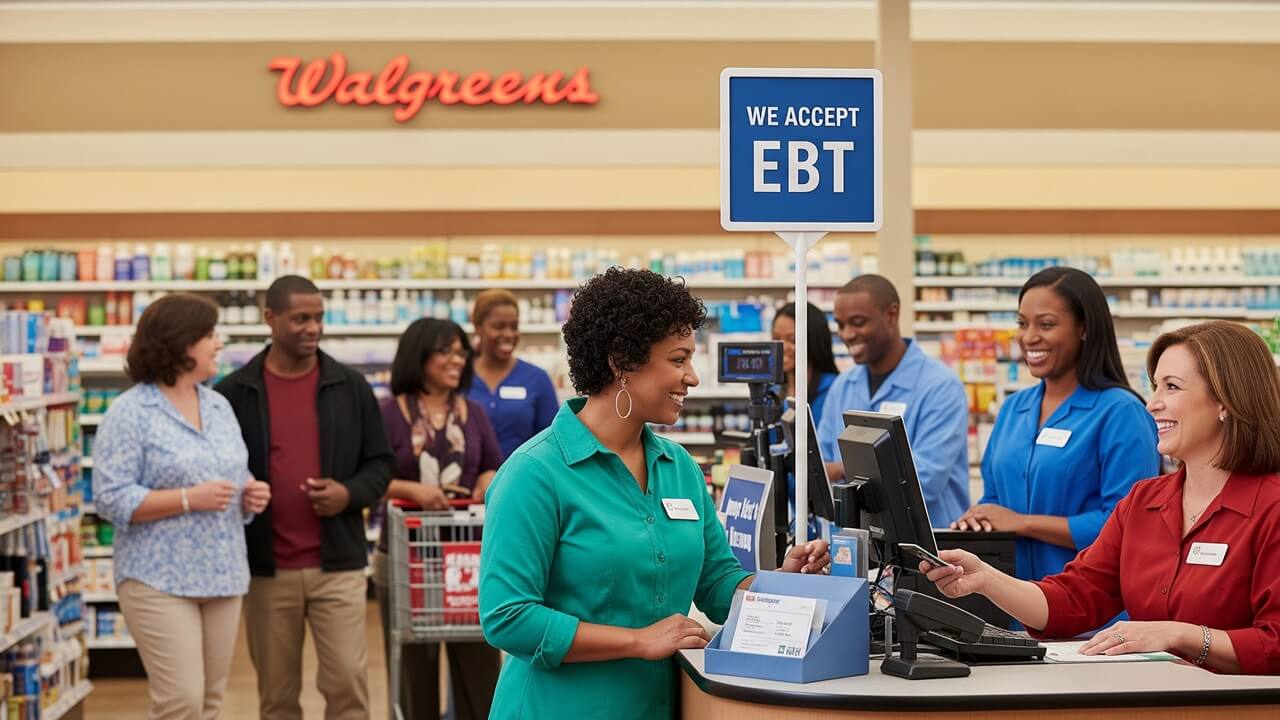
How SNAP Works & Who Qualifies?
SNAP, often called “food stamps,” is a federal program designed to help low-income individuals and families buy food. It’s run by the USDA, and it’s designed to improve food security. The amount of assistance someone receives depends on their income, household size, and certain expenses.
To qualify for SNAP, people must meet specific eligibility requirements set by the federal government, and there can be state variations. These requirements often involve income limits that vary depending on the size of the family. Other factors can also be considered such as the person’s work status and some assets. A person may have to do the following to qualify for SNAP:
- Meet income and resource standards.
- Be a U.S. citizen or legal resident.
- Apply for the program.
- Agree to provide information to verify eligibility.
The program aims to ensure that families have enough to eat and that people are able to afford basic necessities. SNAP is a very important program that benefits lots of people.
Sometimes, people don’t qualify for SNAP. If that happens, it can cause hardship for families that struggle. Sometimes, other programs may be able to assist people as well.
State & Local Funding Contributions
While federal funds are the primary source, states also contribute to the EBT program. States cover administrative costs, like staffing and processing applications. Some states might also offer additional food assistance programs alongside SNAP, potentially using state tax dollars to do so.
Local governments don’t directly fund SNAP, but they might contribute to related programs that support food security. For example, local food banks that provide food to people in need might receive funding from state or local taxes.
The way funding flows can be complex. Even if a state isn’t directly putting tax dollars into the EBT program, they may be funding other programs that interact with it. State and local governments all help shape the overall food safety net in their jurisdictions.
In general, a state’s contribution to food assistance is usually a smaller part of the total funding. Here’s a simple breakdown:
- Federal Funding (Primary): Major source of funds from federal tax dollars.
- State Administrative Costs: States pay for things like staffing.
- Local Support: Local programs may use local funds to address the issue.
- Other Programs: States may add more options for food help.
Economic Impact of EBT
EBT programs can have a positive impact on the economy. When people use their EBT cards to buy food, they’re supporting local grocery stores and other businesses that sell food. This can help create jobs and boost the local economy.
SNAP benefits are often used quickly because they are used for food. The money is usually spent within a short amount of time. It also helps reduce the cost of hunger, which can be an expensive problem for the government.
Moreover, by ensuring people have access to food, EBT can help reduce healthcare costs. Good nutrition helps people stay healthy, which in turn can help reduce the need for expensive medical care.
Here’s how the economic impact of EBT cards may look:
| Impact | Effect |
|---|---|
| Increased Retail Sales | More food is purchased from stores. |
| Job Creation | Grocery stores and other businesses may need more workers. |
| Reduced Healthcare Costs | Healthier people need less medical care. |
| Tax Revenue | More sales mean more taxes paid. |
Common Misconceptions About EBT
There are many misunderstandings about EBT programs. One common misconception is that EBT recipients are lazy or that the program is riddled with fraud. While there can be instances of fraud, the vast majority of EBT recipients are working families, the elderly, and people with disabilities who genuinely need assistance.
Another misconception is that EBT cards can be used for anything. EBT cards are only for purchasing approved food items at authorized retailers. They can’t be used for alcohol, tobacco, or other non-food items.
It’s important to be aware of such misconceptions. Understanding the facts helps us have more informed discussions about these important programs.
Here are some common myths vs. reality:
- Myth: EBT is used for anything. Reality: Only for food items.
- Myth: EBT recipients are lazy. Reality: Most are working families or people with disabilities.
- Myth: EBT is full of fraud. Reality: Fraud is rare.
Changes and Reforms to EBT Programs
EBT programs are always changing. They have been adjusted over time to try to make sure they are working as well as possible. Changes can be made to the eligibility requirements, the benefits provided, and how the programs are administered. These adjustments are often made to make programs more effective.
Sometimes, changes are made in response to economic conditions. When the economy is struggling, more people might need help, so programs might be expanded or adjusted to meet that need. Sometimes, these programs will also be adjusted to make sure they’re running more smoothly.
Policy changes can also have a big impact. Lawmakers regularly consider new bills related to SNAP, and state and federal governments make decisions. These actions help to address food insecurity.
Here’s a look at some potential changes to EBT programs:
- Eligibility: Changes to income limits or asset tests.
- Benefits: Adjustments to the amount of benefits provided.
- Administration: More efficient ways to deliver assistance.
The Role of Taxpayers and Program Oversight
As taxpayers, we all play a role in how EBT programs are funded. It is important to understand the programs and the role of the government. People can learn more about the issues and participate in conversations. Responsible oversight ensures that these programs are used fairly and that they meet the needs of the people they are designed to help.
Oversight involves monitoring the programs and making sure that money is spent efficiently. Government agencies have procedures to make sure that rules and regulations are followed. People can also help in keeping programs on track by speaking with lawmakers.
It’s important for taxpayers to stay informed. This will make sure that the programs are working well and helping those in need.
Here is a table that explains the role of taxpayers in EBT programs:
| Taxpayers’ Role | How They Help |
|---|---|
| Funding | Tax dollars are used to pay for SNAP. |
| Oversight | People can contact elected officials. |
| Awareness | Knowing about the programs helps with discussions. |
Conclusion
So, do our tax dollars go to EBT people? Yes, the majority of SNAP funding comes from federal tax dollars. This program provides vital support to many Americans. EBT is a very important program. Understanding how the program works, who it helps, and how it’s funded can help us have an educated discussion about its role in our society. The goal of the program is to help those who need it.