The Supplemental Nutrition Assistance Program (SNAP), also known as food stamps, helps people with low incomes buy food. It’s a really important program! But, who pays for it? And how does that money actually get to the people who need it? Well, it’s a partnership between the federal government (the “feds”) and the states. This essay will explain how the feds reimburse states for the SNAP benefits, making sure that people across the country have access to nutritious food.
Federal Funding: The Main Source
The core funding for SNAP benefits comes from the federal government. Essentially, the feds pay for the majority of the actual food benefits that SNAP recipients use to purchase groceries. This is the biggest piece of the puzzle! It’s not just a one-time payment; the federal government provides money regularly, keeping the program going.
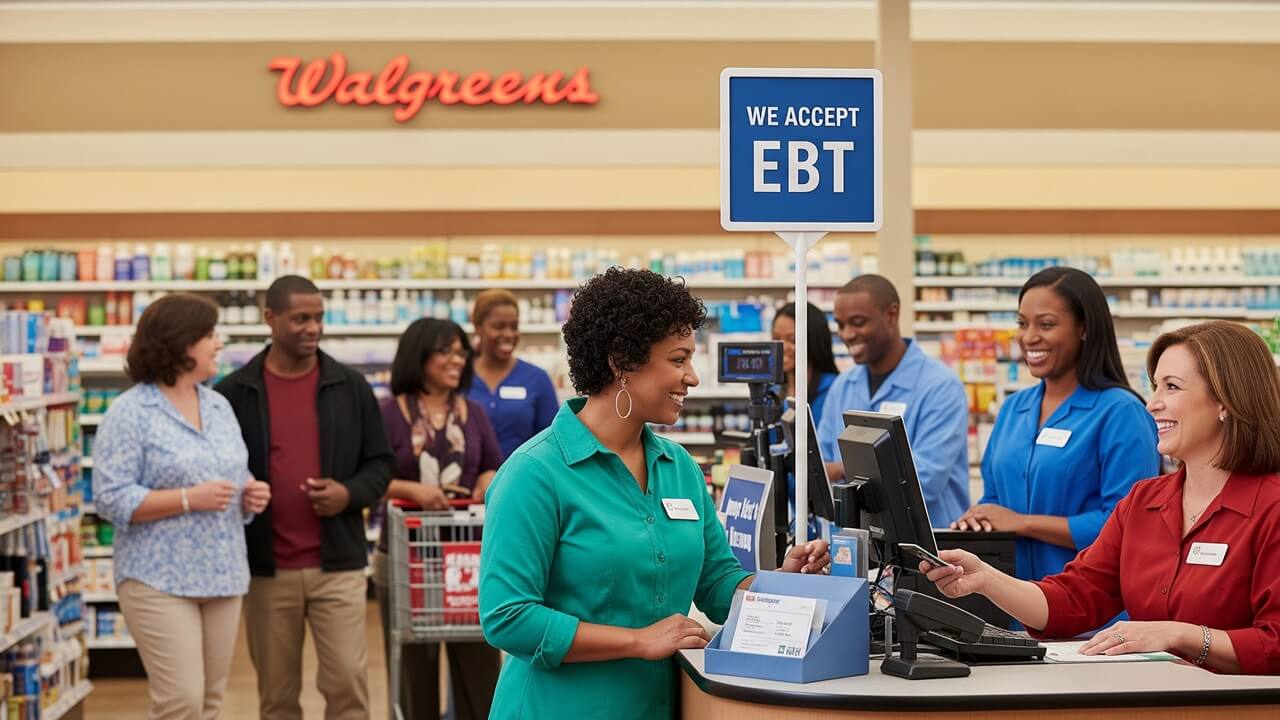
The amount of money given depends on how many people are enrolled in SNAP and the average amount each person gets. This amount is calculated by considering factors like:
- The cost of a basic nutritious diet.
- Household size.
- Income.
The U.S. Department of Agriculture (USDA), which runs SNAP, works with each state to figure out how much money it needs. The USDA then transfers that money to the states. Think of it like this: The feds are the bank, and the states are the customers who need funds to help their citizens.
The federal government is the main investor in SNAP. This commitment ensures that food assistance remains available for those who need it, regardless of where they live.
Administrative Costs: A Cost-Sharing Arrangement
Besides paying for the food benefits themselves, the feds also help cover some of the states’ administrative costs. These costs include things like processing applications, determining eligibility, and running the program. This is another important part of how the feds reimburse states.
The federal government doesn’t pay for all of the administrative costs. Instead, it shares the cost with the states. The federal government typically covers around 50% of the administrative costs. The other half is paid by the states themselves.
This cost-sharing model encourages states to run their SNAP programs efficiently. They are responsible for finding ways to manage the program, and they also have to handle the costs.
Here’s a simple example: Suppose a state’s administrative costs for SNAP are $100,000. The federal government might provide $50,000, and the state would pay the remaining $50,000. This partnership helps to keep SNAP running smoothly.
E&T Programs: Helping People Find Work
SNAP also includes Employment and Training (E&T) programs. These programs help SNAP recipients find jobs and become self-sufficient. The federal government also helps pay for these programs.
The feds provide grants to states to run E&T programs. These grants can be used for things like job training, job search assistance, and education programs. This aspect of SNAP is about helping people get back on their feet, and the feds want to help. The federal funding for E&T programs shows they’re concerned about not only giving people food but also assisting them in finding work.
The amount of funding for E&T programs varies depending on the state’s needs and the number of people participating. The federal government is very involved in these programs. Let’s say, a state might offer training in food service. This gives participants skills to get hired and potentially leave SNAP.
E&T programs are a key part of SNAP’s success. They help recipients gain skills, find jobs, and eventually become independent. It’s a way to help people build a better future.
Federal Oversight and Audits
The federal government doesn’t just hand out money and walk away. It also keeps a close eye on how states are managing their SNAP programs. This oversight helps to ensure the money is spent correctly and that the program is working efficiently.
The USDA regularly reviews state SNAP programs. These reviews check things like:
- Eligibility determinations.
- Benefit issuance.
- Program integrity.
- Customer service.
The feds also conduct audits. Audits are independent examinations of a state’s financial records and procedures to check if they’re following the rules. The idea is to prevent fraud and ensure that taxpayer money is used properly. If problems are found, the feds can require states to fix them.
This federal oversight helps to maintain the integrity of SNAP and build confidence in the program. When states are accountable, it assures people that the food aid program is fair and honest.
Matching Funds and Waivers
In certain situations, states might need to contribute their own funds to SNAP. This is where the concept of “matching funds” comes into play. States might also apply for waivers in special circumstances.
Sometimes, the feds might require states to contribute a small amount of their own money towards a specific SNAP initiative or program. This is known as matching funds. This ensures that the states are invested in the project’s success.
States can also apply for waivers. A waiver is a temporary exception to a SNAP rule. For example, if a natural disaster hits a state, the state might request a waiver to relax some eligibility requirements to provide quicker aid to affected people.
Here’s how a waiver might help after a disaster:
| Situation | Waiver | Effect |
|---|---|---|
| Hurricane hits | Waive income limits | More people can get benefits |
| Flooding destroys food | Replace lost benefits | Families can get food |
Electronic Benefit Transfer (EBT) Cards
The feds also help states with the technology needed to distribute SNAP benefits. They provide funding and support for EBT cards. These cards are like debit cards that SNAP recipients use to buy food.
The federal government has guidelines for how EBT systems should operate. States are required to use these systems. The goal is to make the system secure, efficient, and easy for people to use.
The USDA works with states to ensure the EBT systems are working well. This includes making sure the cards are easy to use at stores. In the past, paper coupons were the way people got their food aid, but the system is much simpler now.
EBT cards simplify the process for both recipients and stores. The federal government knows these cards are a critical tool in getting the benefits out and making sure they’re used correctly.
Conclusion
So, as you can see, reimbursing states for SNAP benefits is a complex but very important process. The feds provide the main funding, share administrative costs, support E&T programs, oversee the programs to ensure things are on the up and up, offer waivers, and help with the technology. This partnership between the federal government and the states makes sure that people in need have access to healthy food, supporting families and communities across the country.