Buying a house is a big deal! It’s probably one of the biggest purchases most people will ever make. You might be wondering, if someone gets help with their groceries through the Supplemental Nutrition Assistance Program (SNAP), also known as food stamps, does it make it harder for them to buy a house? The answer isn’t a simple yes or no. It’s more complicated, and we’re going to explore the different ways SNAP can impact someone’s journey to homeownership.
Does SNAP Directly Disqualify You?
No, having food stamps doesn’t automatically stop you from getting a mortgage. Lenders, the people who give you money to buy a house, primarily look at your income, credit score, debt, and how much money you have saved for a down payment. They want to know if you can reliably pay back the loan. The fact that you receive SNAP benefits isn’t something that, by itself, causes the lender to deny you.
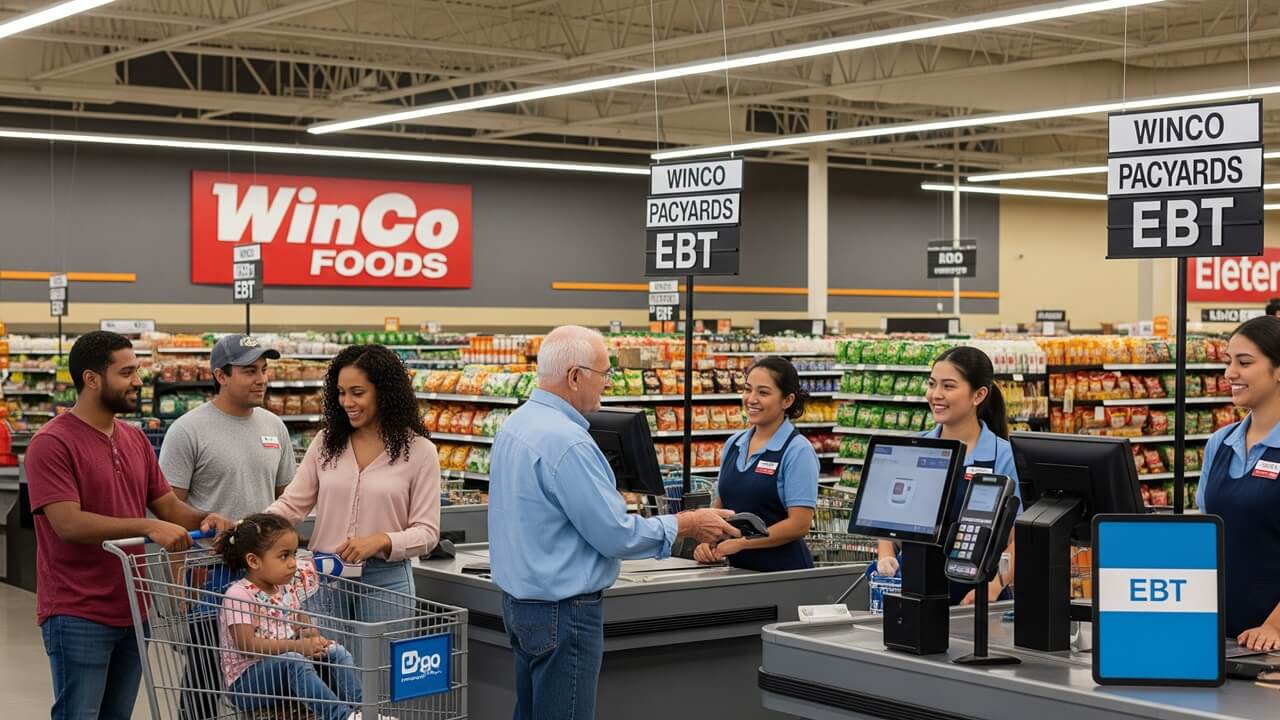
Income Verification and SNAP
When you apply for a mortgage, the lender needs to verify your income. They need to know how much money you make each month. This helps them determine how much you can borrow and whether you can afford the monthly mortgage payments. Income verification can be a tricky process.
For many people, income is straightforward – a regular paycheck. But for people who receive SNAP, their income may include other forms of income.
Lenders want to see a consistent income stream. If SNAP is a significant part of your income, lenders might ask for documentation to confirm your eligibility and the amount you receive. This is normal and helps them assess your ability to repay the loan. Lenders will also want to know if the applicant has any other income sources that they are receiving. If so, they will be required to include it in the income calculation.
Here’s what the lender may ask to review:
- Pay stubs
- Tax returns
- Bank statements
- SNAP benefit award letter
Credit Score Considerations
Your credit score is a three-digit number that tells lenders how well you’ve managed money in the past. A higher credit score means you’re more likely to repay loans on time. A low credit score can make it harder to get a mortgage, and you might have to pay a higher interest rate. SNAP doesn’t directly affect your credit score.
However, the financial situations that lead someone to need SNAP might also lead to issues that can negatively impact their credit score. Maybe they’ve had trouble paying bills in the past or have had to deal with unexpected expenses. It’s important to remember that SNAP is meant to provide food security. It does not determine your credit worthiness.
Building a good credit score takes time. Here are some tips:
- Pay your bills on time, every time. This includes credit cards, utilities, and any other loans.
- Keep your credit card balances low. Try to use less than 30% of your available credit.
- Don’t open too many new credit accounts at once.
- Check your credit report regularly for errors.
By taking care of your credit, you’ll improve your chances of getting approved for a mortgage.
Debt-to-Income Ratio (DTI) and SNAP
Lenders also look at your debt-to-income ratio (DTI). This compares your monthly debt payments to your gross monthly income. It shows lenders how much of your income is already going towards paying off other debts, like credit cards, student loans, or car payments. A lower DTI is generally better.
When calculating your DTI, lenders consider all sources of income. For those on SNAP, this income would also be factored into the equation. SNAP income can help improve a borrower’s DTI, making them more likely to qualify for a loan.
Let’s look at a simple example of how DTI works.
| Category | Amount |
|---|---|
| Monthly Income | $3,000 |
| Monthly Debt Payments | $800 |
| DTI | $800/$3,000 = 26.7% |
Savings and Down Payment
One of the biggest hurdles to buying a house is saving enough money for a down payment and closing costs. A down payment is a percentage of the home’s price that you pay upfront. Closing costs are the fees and expenses associated with finalizing the purchase.
SNAP helps families afford food, which frees up other income for other expenses, like saving. If a household receives SNAP, it might be able to save money more efficiently. This is true regardless of if the household is attempting to buy a home or not.
Some government programs offer assistance with down payments and closing costs, which can be a huge help for first-time homebuyers. Researching programs in your area can be beneficial.
There are a few different options for down payment assistance programs:
- Grants: You don’t have to pay these back.
- Loans: You must repay these, often with low interest rates.
- Forgivable loans: These loans are forgiven after you live in the home for a certain period.
Housing Counseling and Education
If you’re thinking about buying a home, it’s a great idea to seek out housing counseling. Housing counselors are experts who can help you understand the home-buying process, budget, and how to manage your finances. They can answer your questions, guide you through the steps, and point you to resources.
Housing counseling can be especially helpful for people who receive SNAP. Counselors can help you with the specific challenges you might face and explain how SNAP fits into the bigger picture of homeownership. They can also help you with the steps involved. Having someone on your side can be a huge advantage.
Here are some ways that a housing counselor can help:
- Budgeting: Creating a realistic budget and saving plan.
- Credit Repair: Helping you improve your credit score.
- Understanding Mortgages: Explaining different types of mortgages and loan programs.
- Down Payment Assistance: Finding and applying for down payment assistance programs.
Overall Financial Stability
Ultimately, whether you can buy a house depends on your overall financial stability. Lenders want to see that you can consistently manage your finances and make your mortgage payments on time. Factors like your income, credit score, DTI, and savings all play a role.
SNAP provides support for food security, but it doesn’t define your entire financial picture. Many people who receive SNAP benefits can become homeowners. The ability to buy a home is affected by all the other financial elements.
Building a strong financial foundation takes planning and effort. Consider these steps:
- Create a budget and track your spending.
- Pay off high-interest debt.
- Build an emergency fund.
- Improve your credit score.
In conclusion, while receiving SNAP doesn’t automatically prevent you from buying a house, it’s one factor lenders consider. It’s crucial to focus on building a strong financial profile by managing your income, credit, debt, and savings. By understanding the home-buying process and seeking out resources like housing counseling, people who receive SNAP can absolutely achieve their goal of homeownership.