Need help with groceries and wondering how to get food stamps again? It’s definitely possible to reapply if your situation has changed or if your benefits ran out. This essay will walk you through the steps and things you need to know about reapplying for food stamps, also known as SNAP (Supplemental Nutrition Assistance Program). We’ll cover who to contact, what information you’ll need, and how to make the whole process a bit easier. Let’s get started!
Who Do I Contact To Reapply?
The first thing you need to do when you want to reapply for food stamps is figure out who to contact. The agency in charge of food stamps can be different depending on where you live – it’s usually handled at the state or county level. It’s important to find the right office for your area so you can apply correctly. This is where you can find information about the requirements for food stamps as well.
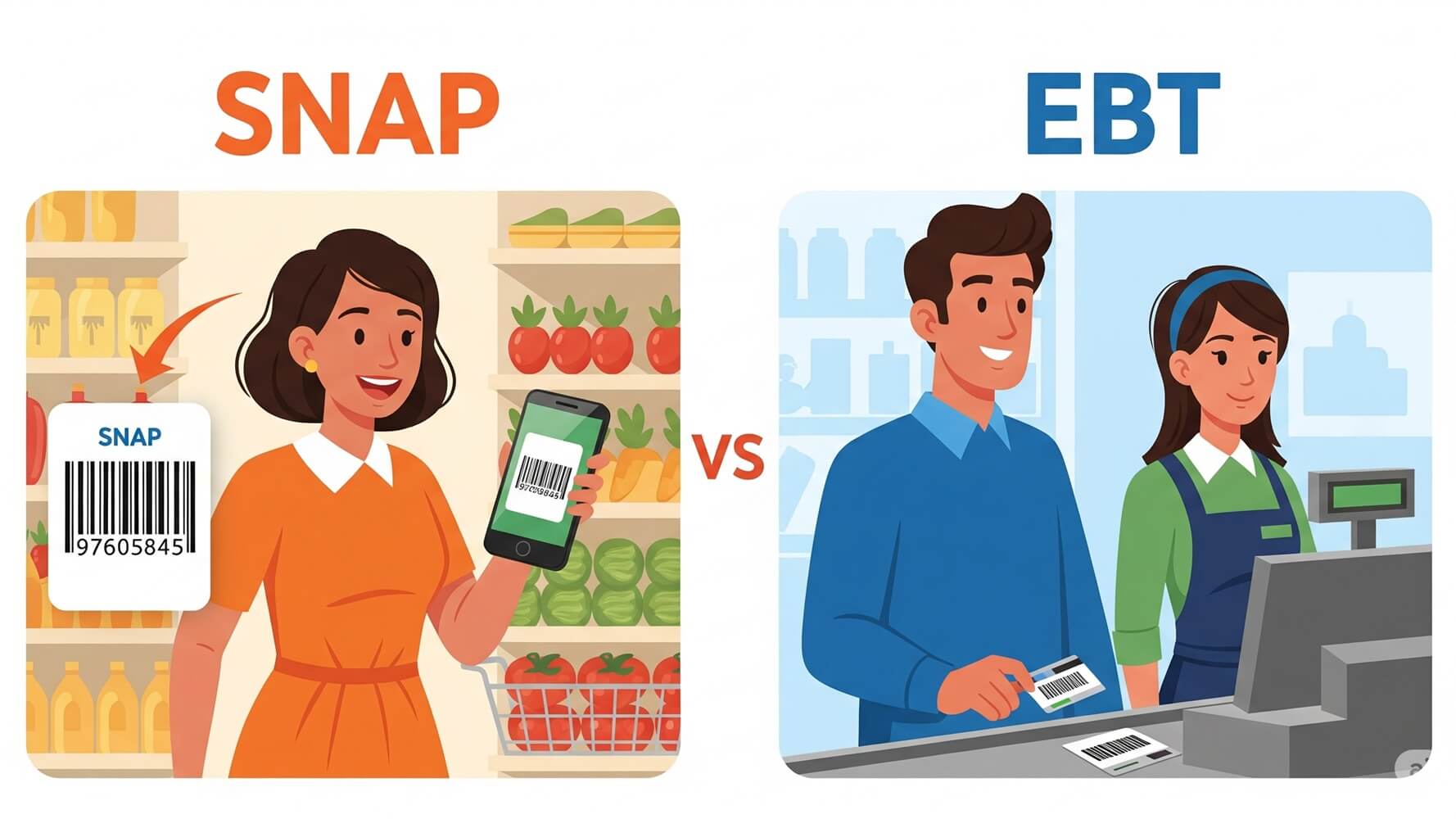
You can often find this information by doing a quick search online. Just type “food stamps” and then the name of your state or county into a search engine. The official government website for your state or local area will usually have the correct information. You can also try calling your local social services or human services department. They’ll be able to guide you to the right place. You can usually find their phone number online, too.
Make sure you are visiting an official government website and not a third-party website. These unofficial websites might charge you for services that are free to use through the government. You can also ask any adult who may be familiar with food stamps in your area. They should be able to give you some guidance.
The main way to reapply is generally through the state or county’s SNAP office, either online or by visiting in person. After you figure out who to contact and where to find information, the next step is gathering the necessary information.
What Documents and Information Do I Need?
When you’re getting ready to reapply for food stamps, you’ll need to gather some important documents and information. Having everything ready ahead of time will make the application process go much smoother. Think of it like preparing for a test – the more you study (gather your documents!), the better you’ll do. Make sure to start collecting what is required before you actually start your application. The following are important pieces of information.
You’ll almost always need proof of your identity. This can include a driver’s license, a state-issued ID card, a birth certificate, or a passport. Also, you will need to provide proof of where you live, such as a utility bill or a lease agreement. Keep in mind that different states may have different requirements, so double-check with your local office.
- Driver’s License or State ID
- Proof of Address (utility bill, lease, etc.)
- Social Security cards for each member in your household
You will also have to provide information about your income and resources. This means you’ll need to list how much money you earn from a job, any government benefits you receive (like unemployment or Social Security), and any other income sources you have. You may also need to provide bank statements, pay stubs, and information about any assets you own, such as a car or savings account. The more information you are able to provide, the better. Be as thorough as possible!
How Do I Fill Out the Application?
Once you have all your documents and information ready, it’s time to actually fill out the application. The application process can usually be completed online, in person, or by mail. The best option is usually to apply online or in person, depending on your state. Keep in mind, it is your responsibility to read and understand the application! Be prepared to answer some important questions.
When you’re filling out the application, be sure to be accurate and honest. Food stamps are there to help, and it’s important to provide the right information so the system works as it should. It’s better to provide all the information they ask for so you don’t accidentally mess anything up. Make sure you are understanding what you are writing down. If there is anything you are unsure about, then it is best to ask for help.
- Fill out the application completely and accurately.
- Attach any required documents.
- Submit the application to the appropriate agency.
Pay close attention to the deadlines. If you don’t submit your application by the deadline, you may have to start the process all over again. Once you’ve submitted your application, you’ll usually receive a notice letting you know they received it and what the next steps are.
What Happens After I Submit My Application?
After you submit your application, the agency will review it to see if you are eligible for food stamps. This review can take some time, so be patient. They might reach out to you for an interview. This is a chance for them to ask any clarifying questions and get to know you better. They may also ask you to verify the information you provided.
During the interview, they might ask about your income, your living situation, your expenses, and your assets. It’s important to answer their questions honestly and completely. The more information you provide, the more likely the process will go smoothly. They may ask you to provide additional documentation, so be prepared.
- Application Review
- Interview
- Verification of Information
After the interview and any necessary verification, the agency will make a decision about your application. They’ll either approve it or deny it. If your application is approved, you’ll receive information about how much food stamps you’ll receive and how to use them. If your application is denied, you will usually get a letter explaining why, and it will tell you how to appeal the decision if you disagree.
What If I Get Denied?
If your application for food stamps is denied, don’t panic. **You have a few options, and it doesn’t mean the end of the road.** The denial letter you receive should explain why you were denied. Read it carefully to understand the reason. It might be because of your income being too high, or because you didn’t provide the required documentation. Make sure you keep this letter for your records.
You can appeal the decision, which means you can ask the agency to review your case again. The letter will explain how to appeal. Usually, you’ll need to fill out a form or write a letter explaining why you think the decision was wrong. You’ll also want to provide any additional documentation that supports your case.
You may also try to fix whatever the issue was that caused the denial. For instance, if you were denied because of missing documents, gather those documents and reapply. If your income has changed, you might become eligible. If you’re unsure about anything, contact the food stamp agency. They may offer assistance or other resources. Here’s an overview:
| Reason for Denial | Possible Actions |
|---|---|
| Missing Documents | Gather documents, reapply. |
| Income Too High | Wait for income change, reapply. |
| Disagreement with Decision | Appeal the decision. |
What Happens If My Situation Changes?
Life can be unpredictable, and your situation might change after you start receiving food stamps. If your income changes, or your living situation changes, then you need to inform the food stamp office. If you do not inform them of changes, you could have a problem! Ignoring the changes in your life will hurt your chances of receiving food stamps in the future.
If your income goes up, your food stamp benefits might be reduced or you might lose them altogether. If your income goes down, you might be eligible for more benefits. You might need to provide updated documents to prove these changes. Always report any changes in your household, such as a new member moving in or someone moving out, to ensure everything is accurate.
The agency might ask you to report changes regularly, such as every six months or every year. They might send you forms to fill out. Keep these forms organized and updated so you can respond quickly. Always follow the agency’s instructions for reporting changes and follow the deadlines.
- Report changes in income
- Report changes in address
- Report changes in household members
- Be prepared for regular reviews
It’s also important to keep your contact information up to date. If you move or change your phone number, let the food stamp office know right away, so you don’t miss any important communications.
Tips For a Smooth Reapplication
Reapplying for food stamps can be a bit of a process, but there are things you can do to make it easier. First, start early! Don’t wait until your benefits run out to start the reapplication process. It’s a good idea to begin gathering your documents and information well in advance.
Make sure you have accurate contact information. This includes your address, phone number, and email address. Ensure you are prepared for interviews and any questions they may have. If you don’t know an answer, be honest about it! Always ask questions if you’re not sure about something. The food stamp office is there to help!
- Start the process early.
- Gather all the necessary documents.
- Be honest and accurate on your application.
- Keep your contact information updated.
Keep copies of all of your documents and application materials for your records. This can be helpful if you need to refer back to them later or if you have any questions. You should also keep track of any important deadlines. Consider setting reminders on your phone or calendar so you don’t miss anything.
If you get stuck or have questions at any point, don’t be afraid to seek help. You can contact your local food stamp office. They are usually helpful and can provide assistance with any questions you may have about the process.
By following these tips, you can improve your chances of a successful reapplication for food stamps.
Conclusion
Reapplying for food stamps can feel like a lot of steps, but knowing the process makes it less overwhelming. From finding the right agency to gathering your documents, filling out the application carefully, and understanding what happens after you submit it, each step is important. Remember to be organized, honest, and ask for help if you need it. **Hopefully, by following these steps, you can successfully reapply and get the support you need.** Good luck!