Food stamps, officially known as the Supplemental Nutrition Assistance Program (SNAP), help people with low incomes buy food. It’s a pretty important program that keeps families fed! But sometimes, people try to cheat the system, which is called fraud. This essay will look at how many people actually end up in jail because of food stamp fraud and some of the factors surrounding this issue. We’ll explore what happens when someone breaks the rules and how the government tries to prevent cheating in the first place.
The Direct Answer: Jail Time Statistics
So, how many people actually go to jail for food stamp fraud? Well, it’s not a super common occurrence, but it definitely happens. It’s tricky to get an exact number because these statistics aren’t always tracked perfectly and can vary from year to year. But here’s the gist: **The number of people sent to jail for food stamp fraud is relatively low compared to the total number of people who receive food stamps.** Typically, the majority of cases are handled outside of the criminal justice system, often involving repayment of the benefits and penalties.
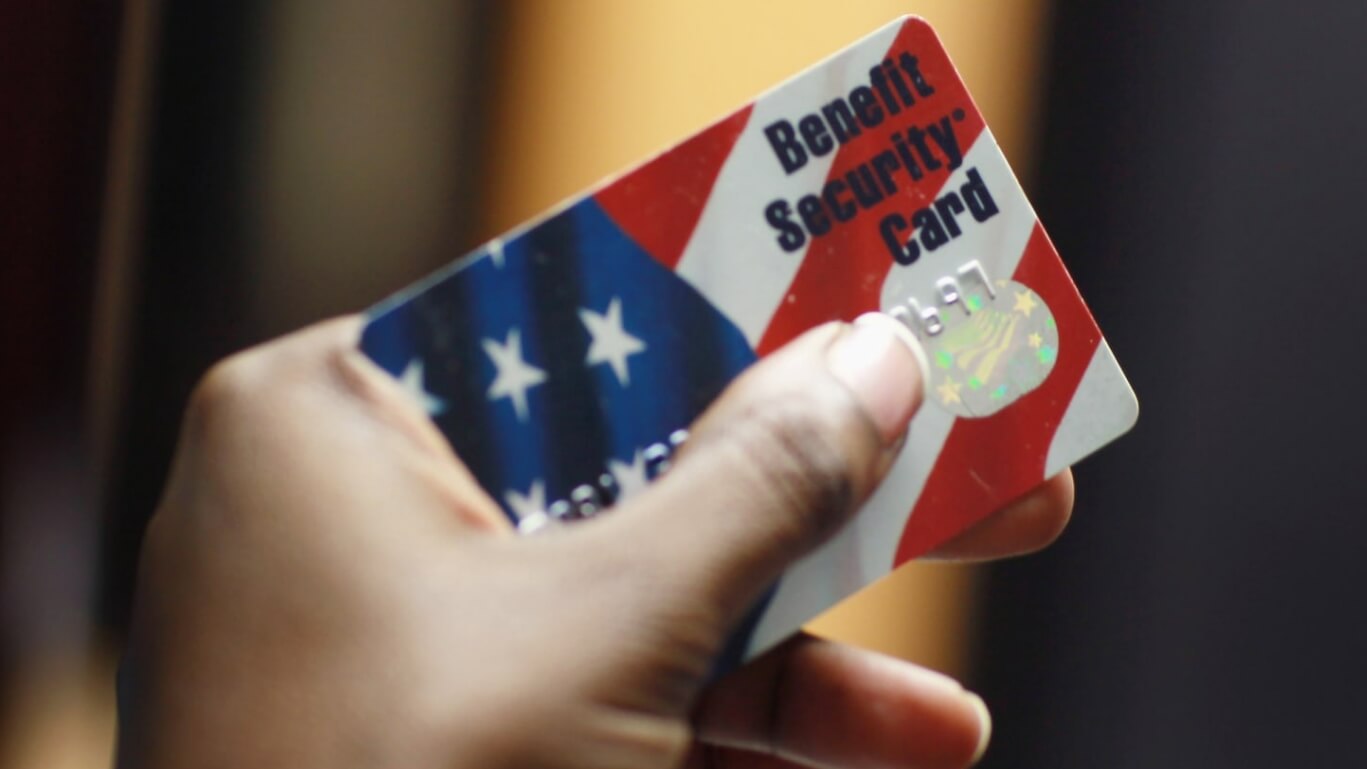
Types of Food Stamp Fraud
Food stamp fraud isn’t just one thing; there are many ways people can break the rules. Some are more serious than others. Often, the type of fraud determines the severity of the consequences. The government works hard to investigate any suspicion of wrongdoing, because food stamps are meant to help people who truly need them. Think of it like borrowing something: you have to follow the rules, otherwise you might get into trouble.
Here are some common examples:
- Selling or trading food stamps for cash or other items (this is a big no-no!)
- Using someone else’s food stamp card without their permission.
- Not reporting income changes, like a new job, so you can keep getting benefits you aren’t eligible for.
- Providing false information on your application, like lying about your income or the number of people in your household.
These actions are considered fraud, and they can lead to serious problems.
Let’s delve a little deeper. Consider someone who sells their food stamps for cash. This is considered a serious offense because it undermines the entire program. The money received from the sale can’t be used for healthy foods, the purpose of SNAP. And imagine the person who isn’t honest on their application: this takes away from the resources available for people who truly need them.
The consequences for committing food stamp fraud depend on the nature of the fraud, the amount of money involved, and your history. The consequences can range from a warning, to having benefits suspended or stopped, or you may face a criminal charge.
Consequences Beyond Jail
Going to jail isn’t the only bad thing that can happen if you get caught committing food stamp fraud. There are other punishments, too. Often, these consequences are more common than jail time. It’s important to understand that these other consequences can be just as disruptive to a person’s life.
One of the most common consequences is being disqualified from receiving SNAP benefits for a certain period. This can be really tough because it means you can’t get help buying groceries, and you might face food insecurity. Another consequence involves having to pay back the money you wrongly received. This can be a large sum of money, especially if the fraud went on for a long time.
- Disqualification: Losing benefits for a time.
- Repayment: Paying back the money received through fraud.
- Fines: Being made to pay a fine
- Probation: being monitored by the authorities
These can be difficult, and can greatly change someone’s life.
Other possible consequences, though less frequent, include fines. The amount of the fine depends on the amount of money involved in the fraud. Sometimes, people might also be put on probation, where they have to check in with a probation officer and follow certain rules. Even without jail time, these penalties can be hard to overcome, and can make it difficult to get back on your feet.
It’s worth noting that the goal of the system isn’t just to punish people, but also to help them get back on the right track. For those who commit fraud, programs often exist to help them understand the rules and avoid making the same mistake again. This focus on rehabilitation is important because it helps people to learn from their mistakes.
How the Government Detects Fraud
The government doesn’t just sit back and hope people follow the rules. It has systems in place to try and catch fraud before it happens, or soon after. These systems are pretty sophisticated and include many different methods. The purpose of all this is to protect the program and make sure the resources get to the people who need them most.
One way the government detects fraud is by reviewing applications carefully. SNAP workers check the information people provide, like their income, assets, and household size. They make sure everything adds up. This helps them spot any red flags or inconsistencies. They also use data matching, where they compare information with other government databases to find discrepancies. This can help detect unreported income or other violations.
Here’s a little table that shows some of the ways the government looks for fraud:
| Method | Description |
|---|---|
| Application Review | Checking applications for inconsistencies. |
| Data Matching | Comparing information with other databases. |
| Audits | Reviewing financial records. |
| Tip Lines | Receiving tips from the public. |
Also, there are audits and investigations. Government agencies may conduct audits of SNAP retailers to make sure they are following the rules. They might also investigate suspicious cases that are reported by the public. Whistleblowers, or people who report wrongdoing, can even receive rewards. It’s a multifaceted approach that helps protect the program.
The Role of Retailers
Retailers, like grocery stores and farmers’ markets, also play a big role in preventing food stamp fraud. They’re supposed to follow the rules about how SNAP benefits can be used. They have to accept food stamps for eligible food items and they have to avoid any kind of fraud. Their actions directly affect how the program works.
Retailers are trained and given instructions about the rules of SNAP. They learn what they can and can’t do. They need to know which foods are allowed and which aren’t. They also have to follow strict procedures when accepting SNAP benefits. This includes checking the SNAP card and making sure the transaction is processed correctly.
The government has rules about what retailers can and cannot do. For example, retailers cannot trade cash for food stamps or allow someone to buy ineligible items with food stamps. If they break these rules, they could face penalties, like fines, or even being banned from the program. They also face the chance of having to pay restitution.
Retailers are often audited to make sure they are following the rules. This is a way to monitor their behavior and catch fraud before it can go on for too long. By working together, retailers and the government try to make sure SNAP benefits are used in a way that helps the people who need them.
Prevention and Education
The government doesn’t just focus on catching fraudsters; it also works hard to prevent fraud in the first place. A big part of this is through education. It’s really important for people to understand the rules of SNAP and how to use their benefits correctly.
There are many different ways the government tries to educate people about the rules. They provide clear information on SNAP applications, brochures, and websites. This information explains eligibility requirements, what can be purchased with SNAP benefits, and the consequences of fraud. In some areas, they may also offer workshops and training sessions.
Here’s an example of what education materials might cover:
- Eligibility: Explaining who is eligible to receive SNAP benefits.
- Eligible Items: Listing food items that can be bought with SNAP benefits.
- Reporting Requirements: Describing what changes need to be reported (like income).
- Consequences: outlining the punishment if someone breaks the rules.
This is all designed to make things easier to understand.
Prevention also involves setting up fraud prevention units and hotlines. If someone has questions or is unsure, they can get answers. By emphasizing education and prevention, the government hopes to reduce the number of people who commit fraud.
Conclusion
While food stamp fraud is taken seriously, and can lead to consequences like jail time, it’s not the most common outcome. The main goal is to protect the program for the people who need it most. The government uses various methods to fight fraud, including audits, reviews, and cooperation from retailers. Also, a focus on education and prevention tries to stop the problem before it happens. By understanding the rules and consequences, people can help ensure that SNAP benefits are used correctly and responsibly.