The Supplemental Nutrition Assistance Program (SNAP) helps people with low incomes buy food. When someone gets SNAP benefits, they’re assigned a case number. This number is super important! It’s used to keep track of their benefits and other information. Knowing the SNAP case number format helps you understand how these numbers work and what they mean. This essay will break down the details of the SNAP case number format.
What Does a SNAP Case Number Actually Look Like?
Let’s say you’re wondering, “What does a typical SNAP case number actually look like?” The exact format of a SNAP case number can change depending on the state, but it usually follows a general pattern. It’s like a secret code that tells the computer and the caseworkers a lot of information. These numbers are used to access all of a person’s SNAP information.
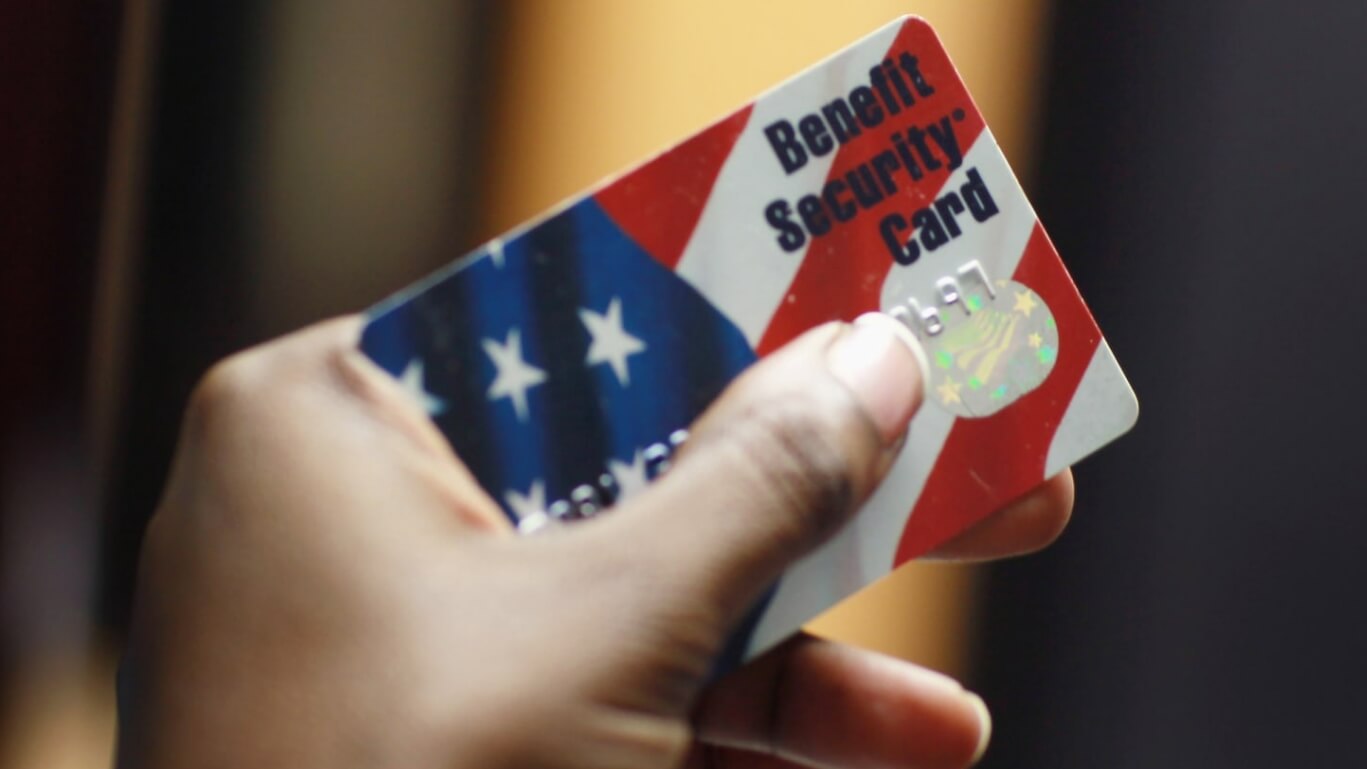
There are a few common components that you’ll usually find in these numbers. Often, the first few digits will identify the state. The rest of the numbers are usually unique to each case. Understanding the basics of this format is helpful. It helps you understand how the program tracks its cases.
Keep in mind that while there are general rules, each state might have a little bit of a different twist on its case number format. This is because each state runs its SNAP program slightly differently.
Here’s a quick breakdown:
- State Identifier: Often the first few digits.
- Unique Case Number: The numbers that are unique to the case.
- Check Digit (sometimes): An extra number used to catch errors.
State Identifiers in SNAP Case Numbers
The state identifier is usually the first part of the SNAP case number. This part of the number is like a code for where the person lives. Knowing this code can help you quickly understand where the case is located. This is important because different states have different rules for SNAP.
The state identifier is usually a series of numbers. The exact numbers vary by state, and you can’t always guess which number goes with which state. If you’re looking for this information, the specific details can typically be found on your state’s Department of Health and Human Services (or similar agency) website.
For example, let’s pretend these are the state codes:
- Alabama: 01
- California: 06
- New York: 36
- Texas: 48
So, if a case number started with “06,” you would know that it is from California.
The Unique Case Number: What Makes Each Case Special
The unique case number is the most important part of the SNAP case number. This is the portion that makes each SNAP case different from all the others. It’s like a social security number for SNAP benefits. This number is used to identify a specific household.
These numbers are usually created by the state’s computer systems. The numbers are usually generated in a sequence. This means new case numbers are assigned in order, helping the state keep track of them all. The system makes sure that no two households in the same state get the same number.
Here is an example of what a case number might look like:
| State Identifier | Unique Case Number |
|---|---|
| 01 (Alabama) | 1234567 |
This example shows the state identifier (01 for Alabama) and the unique case number. The state uses this unique case number to keep track of things like how much money is being sent to a particular household.
The Importance of Check Digits (Sometimes)
Some states include a check digit at the end of their SNAP case numbers. The check digit is like a security measure. It helps to make sure that the case number is entered correctly. If the check digit doesn’t match what it should be, it means there’s probably been a mistake.
The check digit is calculated using a special formula. This formula takes the other numbers in the case number and creates a single digit. This digit is then added to the end of the case number. The check digit helps to prevent errors when the case number is entered into the computer.
There are different ways to calculate a check digit, but it’s always based on the other numbers in the case number. It’s all math! For example, using a made-up number, if the main part of the case number was “12345,” the system would perform the math. The system would then use that calculation to get the check digit to make sure the case number is valid.
If a case number is entered incorrectly, the check digit won’t match, and the system will flag it. Here’s how it works:
- The system has the case number (e.g., 12345-X).
- The system uses a formula to double-check the “X” digit.
- If the “X” doesn’t match the math, there is an error.
How SNAP Case Numbers Are Used
SNAP case numbers are used in many different ways. They are the main way to identify a person’s SNAP benefits. The numbers help the state keep track of all of the information. It helps ensure that benefits are given correctly.
Case numbers are used to:
- Track a person’s benefits.
- Check eligibility (making sure they still qualify for benefits).
- Communicate with caseworkers.
- Report information.
Caseworkers use the case numbers to access the information. This information includes how much money the person gets, the dates of benefit payments, and any changes in the case.
Here’s an example of how they are used when someone applies for benefits:
- A person applies for SNAP.
- They get a case number.
- The state uses the case number to manage their case.
- The person can use the case number to check their benefits online.
Where to Find Your SNAP Case Number
Your SNAP case number is important to keep track of, and you might be wondering where you can find it. You’ll usually be able to find it on official SNAP documents. This includes letters, notices, and any other paperwork you receive from the SNAP office. It is important to know where to find your case number.
You might also be able to find it on your Electronic Benefit Transfer (EBT) card. Check your EBT card, often it has this information. However, this might vary by state. The information is often printed on the card. Some states also let you find the information online or by calling their SNAP hotline.
If you can’t find it in any of these places, the best thing to do is to call your local SNAP office or the state’s customer service line. They can tell you your case number and provide any other information you need. Here is what you can do:
- Check your EBT card.
- Look through letters or notices from the SNAP office.
- Check online, if your state has that option.
- Call your local SNAP office.
Keeping Your Case Number Safe
Since the SNAP case number gives access to your benefits, it is important to keep it safe. Treat your SNAP case number like you would your social security number. Make sure you don’t share it with people who don’t need to know it.
Make sure you always keep your case number private. Don’t share it with anyone who shouldn’t have it. If you are worried that someone might have access to your case number without authorization, report the incident immediately. Here’s some advice:
- Don’t share your number on social media.
- Keep your paperwork in a safe place.
- If you suspect fraud, report it immediately to the proper authorities.
Protecting your case number helps ensure that your benefits are safe.
Here’s a brief table showing how to keep your case number safe:
| Do | Don’t |
|---|---|
| Keep your number private. | Share it on social media. |
| Store your paperwork securely. | Leave your paperwork lying around. |
| Report fraud immediately. | Ignore any suspicious activity. |
Conclusion
In conclusion, understanding the SNAP case number format is helpful for anyone involved with the program. It helps you understand how the program manages its cases. While the specific format varies by state, there are common elements like state identifiers and unique case numbers. Being able to recognize and understand this format is important for accessing information about your benefits. Remembering where to find this information and how to keep it safe helps ensure your SNAP benefits are protected.