Have you ever seen someone pay for groceries with a special card, and wondered what it was? That card is often an EBT card. But what does EBT even stand for? This essay will help you understand exactly what EBT is all about, explaining its purpose and how it works. Let’s dive in and learn more!
The Meaning of EBT
So, what does EBT stand for? EBT stands for Electronic Benefit Transfer. It’s a system that lets people get their food stamps and other benefits electronically.
How EBT Works
The EBT system is pretty straightforward. Think of it like a debit card, but instead of money from your bank account, it holds benefits from government programs. When someone uses their EBT card, the money is automatically deducted from their benefits account.
Here’s the basic process:
- The government agency, like the Department of Agriculture (USDA), determines how much food assistance a person or family is eligible to receive.
- The eligible amount is added to their EBT card account, much like a deposit into a bank account.
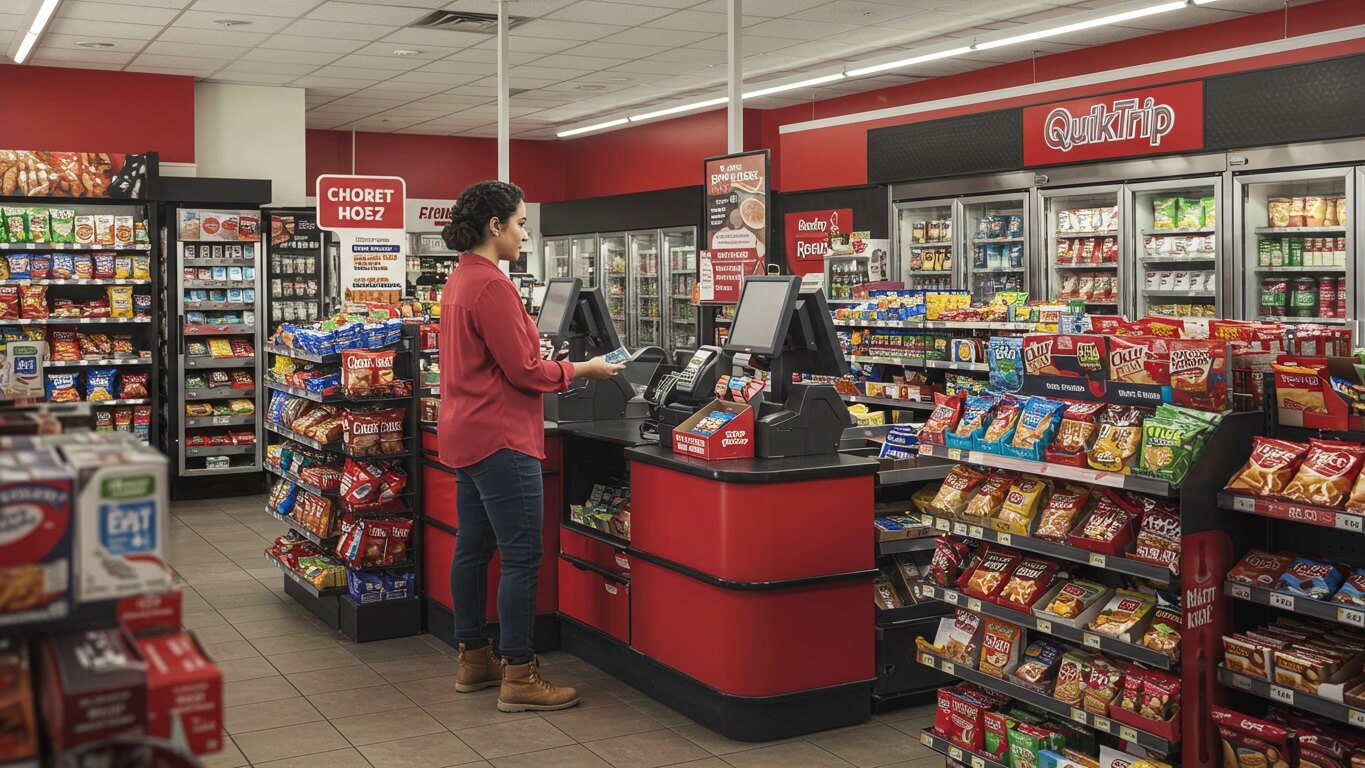
The cardholder then uses the EBT card at places that accept it, like grocery stores and some farmers’ markets. The payment goes through a system that uses the card’s information to verify the cardholder’s identity.
When the cardholder swipes or inserts their EBT card, they enter a PIN (Personal Identification Number) to authorize the purchase. It’s very similar to using a debit card.
What Programs Use EBT?
EBT isn’t just for one program; it’s used for several! The most common program that uses EBT is the Supplemental Nutrition Assistance Program (SNAP). SNAP is the program that gives people money to buy food. EBT also works for other programs.
Here are some of the programs that frequently use EBT:
- SNAP (Supplemental Nutrition Assistance Program): Provides food assistance.
- TANF (Temporary Assistance for Needy Families): Offers financial aid to families with children.
The specific programs available through EBT can vary by state.
Sometimes, EBT cards can even be used for cash benefits, which allows the cardholder to withdraw cash from ATMs.
Who Is Eligible for EBT?
Eligibility for EBT programs like SNAP depends on a few things. It’s usually about income, household size, and resources. The goal is to help people with low incomes and families who need assistance to buy food. Each state has its own specific rules.
Generally, to qualify for SNAP:
- Your household income must be at or below a certain level.
- You must meet certain resource limits (like the amount of savings you have).
The program is designed to help people through tough times, making sure they have enough to eat. The requirements help ensure that benefits reach those who really need them. Requirements can change, so it’s important to check with the local government.
People who are eligible for other benefits like TANF are often eligible for EBT as well.
Where Can You Use an EBT Card?
You can’t use an EBT card just anywhere. EBT cards work at places that are authorized to accept them. These places usually have a sign that says “EBT Accepted” or something similar.
Here are some common places where you can use an EBT card:
| Type of Store | Examples |
|---|---|
| Grocery Stores | Supermarkets, local grocery stores |
| Farmers’ Markets | Many local farmers’ markets |
| Some Retailers | Some convenience stores and general retailers |
EBT cards are designed to be used for buying food and other approved items. This ensures the benefits are used for their intended purpose, like feeding a family. EBT cards cannot be used at restaurants or for other non-approved items.
What Can You Buy With an EBT Card?
So, what can you actually buy with an EBT card? The rules are pretty clear. The main goal is to provide people with the food they need.
With SNAP benefits, you can buy:
- Fruits and vegetables
- Meats, poultry, and fish
- Dairy products
- Breads and cereals
- Seeds and plants to grow food
You *can’t* use EBT for things like:
- Alcohol
- Cigarettes
- Pet food
- Household supplies
The idea is to support healthy eating habits for families and individuals.
Benefits and Limitations of EBT
EBT has lots of advantages, but there are also some limitations. The main benefit is providing a safety net for people struggling to afford food. It helps families get the nutrition they need.
Here are some benefits of using EBT:
- It’s easy to use, much like a debit card.
- It’s accepted at many grocery stores and other locations.
- It helps people get the food they need.
However, there can also be limitations, such as the stigma of using a government benefit, and the types of stores that accept it. Additionally, EBT can’t be used for all purchases, so there are restrictions on what can be bought with the card. Overall, though, EBT plays an important role in fighting hunger.
Here are some other things to keep in mind:
- Benefits may not cover all of a family’s food needs.
- There might be limits on the types of items you can purchase.
The EBT system makes it easier for people to access the food they need, and it’s an important part of the social safety net.
Conclusion
In conclusion, EBT, or Electronic Benefit Transfer, is a critical tool that helps people who need it access food and financial assistance. Now you know that EBT stands for Electronic Benefit Transfer, and how it helps people get the support they need. It works like a debit card but is loaded with benefits from programs like SNAP. Understanding EBT helps us understand how our government supports people in our communities. EBT is a good example of how technology is used to make social programs easier to use and more efficient, ultimately making a difference in the lives of many people.