Figuring out what happens to government benefits can be tricky, especially when it comes to something as sensitive as a death. The Supplemental Nutrition Assistance Program (SNAP), often called food stamps, helps people with low incomes buy groceries. But what happens to those benefits when someone who receives them passes away? This essay will explain the process, covering everything from stopping the benefits to what happens with any leftover food.
Stopping SNAP Benefits After Death
The most important thing to know is that SNAP benefits stop the moment a person dies. These benefits are for the individual, and since the individual is no longer alive, they can’t use them. The state is notified, and they immediately stop sending out any more money for food.
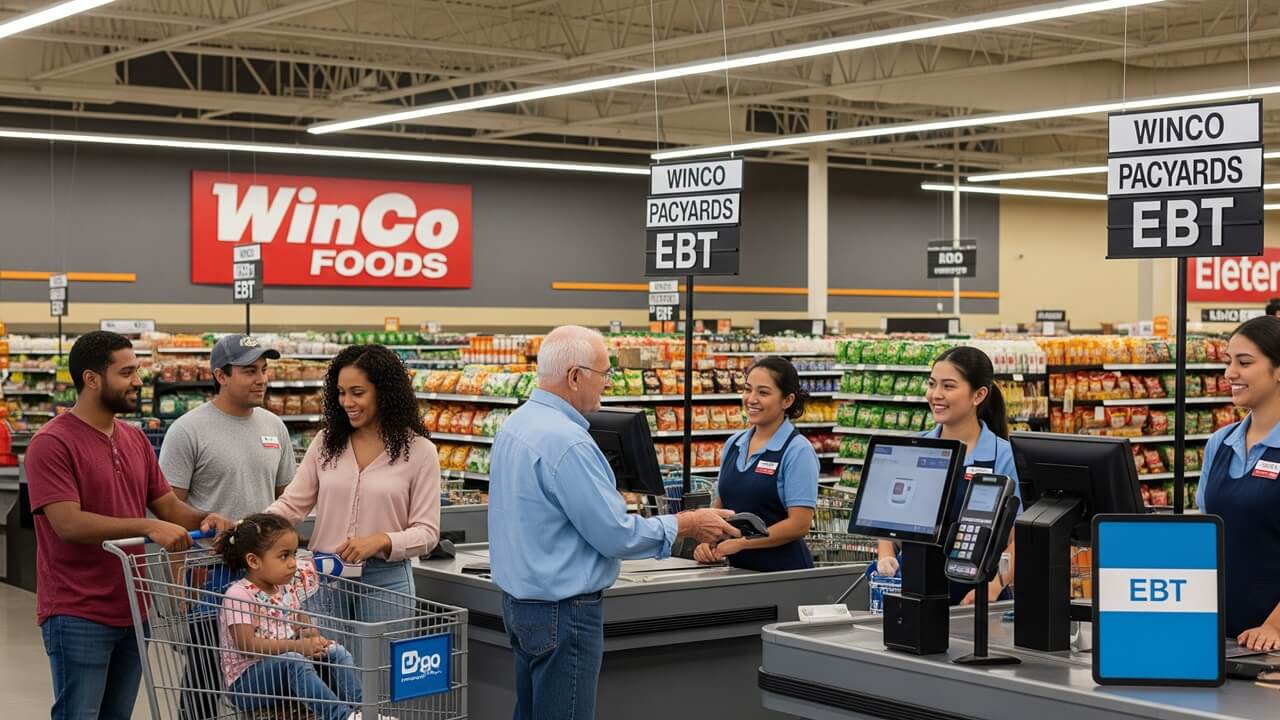
The process of stopping the benefits usually starts with notifying the local Department of Social Services or the agency that handles SNAP in your area. This can often be done with a phone call, in person, or through a written notice, depending on the state’s procedures. Providing a death certificate is typically necessary to verify the death.
Once the death is confirmed, the case is closed. Any unused benefits that were on the deceased person’s EBT card (the electronic card used for SNAP) are usually lost. There’s no way to transfer them to another person or use them after the death. It’s like having money in a bank account—once that person dies, someone else has to go through the process of closing the account.
This is because SNAP is designed to help the person who is eligible for the benefit. If that person can no longer be helped, then it makes sense for their benefits to also end at the same time.
Reporting a Death to the SNAP Program
One of the first steps after a death is informing the SNAP program. Failure to do so could lead to unintended complications.
Here’s why reporting the death promptly is essential:
- Preventing Fraud: It helps prevent someone else from illegally using the deceased person’s benefits.
- Avoiding Overpayments: The state stops sending benefits, avoiding situations where they have to request the money back.
- Simplifying Estate Settlement: Closing the SNAP case streamlines the process of settling the deceased person’s affairs.
The process of reporting a death varies by state, but it generally involves contacting the local SNAP office. You’ll usually need to provide basic information, such as the deceased person’s name, date of birth, and Social Security number, and provide a copy of the death certificate. Keep in mind that while the reporting process may differ, contacting the proper agency is always the first step.
You can usually find the contact information of your local SNAP office online. If you are uncertain how to start the process, just search for “SNAP office [your city]” or “SNAP office [your state]”.
Handling the Deceased Person’s EBT Card
The EBT (Electronic Benefit Transfer) card is how SNAP benefits are accessed. The best thing to do with the card after a death is to return it to the SNAP office. This is usually an easy step, and you can often drop it off or mail it to the correct address.
Why is this important?
- It prevents someone else from using the benefits.
- It helps the state keep accurate records.
- It’s the right thing to do!
Sometimes, a person might still have benefits remaining on their EBT card when they die. Unfortunately, those remaining benefits are usually not transferrable to anyone else. They cannot be used by family members, relatives, or anyone. Those benefits simply go back to the government.
If the card is lost or missing, the main thing is to report the death to the SNAP office so they know not to issue more funds. Remember, the EBT card is only for the person who received the benefits, and once they’re gone, the card isn’t needed anymore.
Food Left Over From SNAP Purchases
Another thing to consider is what happens to the food purchased with SNAP benefits that’s still in the home. The answer to this question can sometimes be a little complicated.
Typically, the food purchased with SNAP benefits belongs to the deceased person, so their family members can eat the food if they choose. There aren’t rules about what happens to food after someone passes away. If someone had a lot of food in the house bought with SNAP benefits, it’s usually okay for family members to use it. However, there are some instances where this becomes a little tricky.
| Scenario | Action |
|---|---|
| Living with a SNAP recipient | You can use the food. |
| Not a SNAP recipient | You can use the food. |
| Recipient lived alone and no relatives exist | Most likely, the food is discarded. |
It is always best to follow the laws in your state.
It’s a good idea to check your state’s specific rules, as some states might have guidelines on handling the remaining food. However, the main thing to remember is to be respectful and use your best judgment. Keep in mind that SNAP is designed to ensure people have food, so using any remaining groceries makes sense if you or your family need them.
Impact on Other Household Members Receiving SNAP
If other people in the household are also receiving SNAP benefits, the death of a family member can affect those benefits, too. The SNAP case might need to be adjusted to reflect the change in household size.
Here’s how it might work:
- Household Size: The number of people in the household is reduced by one.
- Benefit Amount: The amount of SNAP benefits might change, as the benefits are calculated based on the number of people and their income.
- Eligibility: The remaining household members will still need to meet the eligibility requirements for SNAP.
The surviving members of the household will need to contact the local SNAP office to report the death. They will probably need to update their information, and the office will review the case to decide if any changes are necessary.
In most cases, the remaining household members’ benefits will continue, but the amount may change. The SNAP office can explain the specific details of how the death affects their situation.
Legal Considerations and Estate Planning
Death and the associated legal processes, like estate planning, often go hand in hand. Although SNAP benefits don’t usually play a big role in estate planning, it’s still worth considering.
If someone knows they’re likely to qualify for SNAP, they might want to consult with a lawyer when they are planning their estate. The lawyer can provide more in-depth advice about things like how SNAP might interact with the person’s will or how to set up a trust that will allow the funds to be passed to the family members after they die.
Keep in mind that most of the time, SNAP benefits are not part of the estate. If the deceased person has left property or money, the legal process of handling those assets is entirely separate from the SNAP benefits. If there are any concerns, consulting an attorney can offer specific guidance.
For many people, figuring out the best way to set up their affairs is about ensuring that those they love are well taken care of, and it is always a good idea to have a plan!
Conclusion
Dealing with a loved one’s death is tough. When it comes to SNAP benefits, it’s a straightforward process. Benefits stop, the EBT card is returned, and any remaining food can often be used by the family. Reporting the death to the SNAP office quickly is the most important step. By understanding these simple steps, you can navigate the process with ease and help the government agencies involved ensure a smooth transition. This way, you can focus on what really matters during a difficult time: supporting the people who are grieving.