You might have heard the terms EBT and SNAP thrown around, maybe when talking about helping people get food. They sound similar, and they’re definitely connected, but they aren’t exactly the same thing. This essay will help you understand what each one is and the key differences between them, making it easier to understand how food assistance programs work.
What Does SNAP Stand For?
Let’s start with SNAP. **SNAP stands for the Supplemental Nutrition Assistance Program.** It’s the official name of the food assistance program run by the federal government. This program helps people with low incomes buy food.
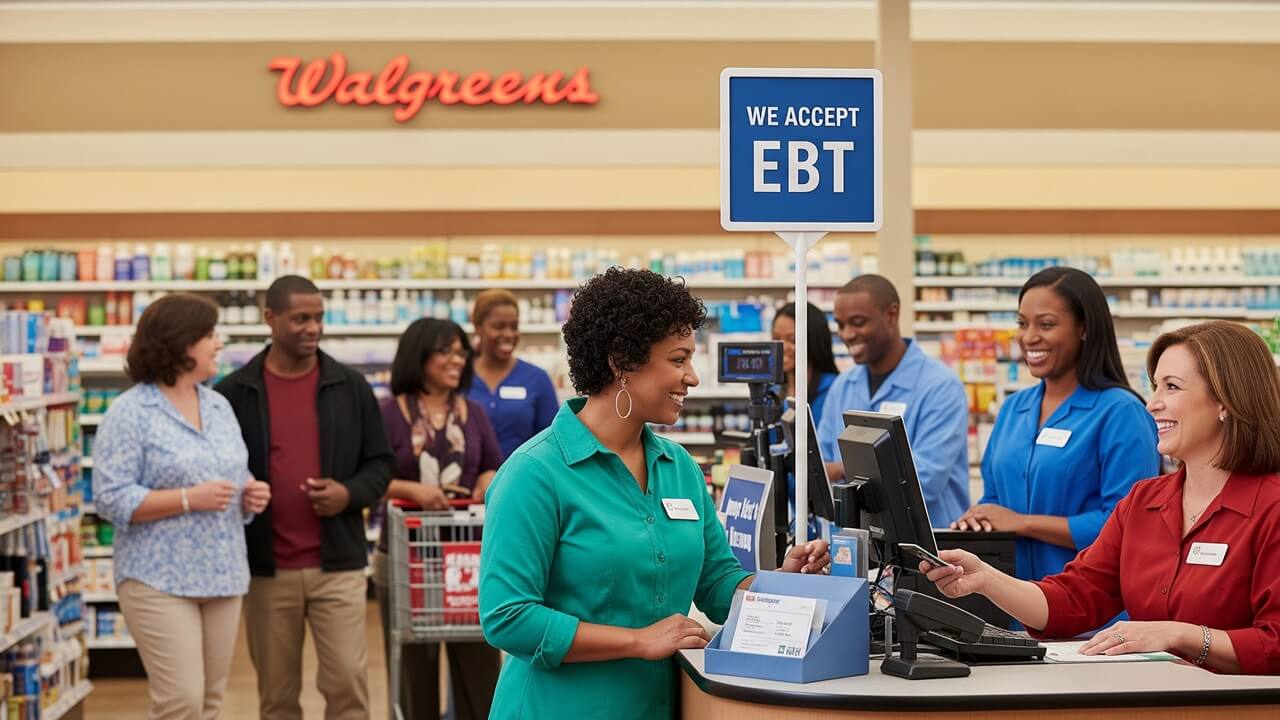
SNAP is super important because it helps families and individuals afford groceries. Think of it like a helping hand so everyone can have enough to eat. The program works by providing money to those who qualify, and it helps them stretch their budgets further so they can eat more healthy meals.
Here’s a breakdown of who might be eligible for SNAP:
- People with low incomes
- Families with children
- Elderly individuals with limited resources
- People with disabilities
SNAP’s goal is to reduce food insecurity. Food insecurity means people don’t always know where their next meal will come from. By making food more accessible, SNAP helps people focus on other things in life, like going to school or work.
What Is EBT?
EBT stands for Electronic Benefit Transfer. EBT is the method used to deliver SNAP benefits. Basically, it’s how the money gets to the people who need it.
Think of it like a debit card. SNAP recipients get an EBT card, and the money they receive from SNAP is loaded onto that card each month. They can then use the EBT card to buy groceries at participating stores, just like they would use a regular debit card.
Here’s how the process usually works:
- A person applies for SNAP.
- If approved, they receive an EBT card.
- The monthly benefit amount is loaded onto the card.
- The recipient uses the card at grocery stores.
This system is much better than the old paper food stamps. The EBT system is more efficient, private, and easier to use.
How Are SNAP Benefits Used?
The SNAP benefits, which are accessed through an EBT card, are designed to be used to buy food. With SNAP benefits, you can purchase various food items, but not everything in the grocery store. It is essential to know what is allowed.
Generally, you can use your SNAP benefits to buy:
- Fruits and vegetables
- Meat, poultry, and fish
- Dairy products
- Breads and cereals
- Seeds and plants to grow food
SNAP benefits can’t be used to purchase:
- Alcoholic beverages
- Tobacco products
- Non-food items like pet food, paper products, or household supplies
- Vitamins and medicines
SNAP helps to improve the diets of people in need. This can improve health and reduce food waste by creating a more organized system for people to get the food they need.
Where Can You Use Your EBT Card?
You’ll want to know where you can use your EBT card once you have it. The EBT card can be used at a wide variety of grocery stores and other approved locations.
Most major grocery store chains and supermarkets accept EBT cards. This includes stores like:
- Walmart
- Kroger
- Safeway
- Target
- And many local grocery stores
Additionally, EBT cards are often accepted at:
- Farmers’ markets
- Some convenience stores
- Online grocery retailers (in some areas)
It’s always a good idea to check with a store to confirm that they accept EBT before you shop. Look for signs that say “EBT Accepted” or ask a cashier.
Who Administers SNAP and EBT?
The administration of SNAP and the EBT system involves multiple levels of government. SNAP is a federal program, but it’s administered at the state level.
The United States Department of Agriculture (USDA) oversees the SNAP program nationally. They set the rules and provide funding. Then, each state has its own agency that runs the program, meaning:
- Each state sets its own rules and regulations, within federal guidelines.
- States handle applications, determine eligibility, and distribute benefits.
- EBT cards are typically managed by state agencies as well.
Here’s a simplified table to understand the roles:
| Role | Responsibility |
|---|---|
| Federal Government (USDA) | Sets rules, provides funding, and oversees the program |
| State Agencies | Handle applications, determine eligibility, and distribute benefits |
This approach allows states to tailor their programs to meet the needs of their local communities, while ensuring everyone follows federal guidelines.
Benefits of Using EBT Over Paper Stamps
Compared to the old paper food stamps, EBT has many advantages. EBT offers more privacy and convenience.
Here are some of the benefits of using EBT cards:
- Privacy: EBT cards are discreet. No one knows you’re using them unless you tell them.
- Convenience: You can use them like a debit card at the checkout.
- Efficiency: Benefits are loaded automatically, so there’s no waiting.
- Security: If lost or stolen, the card can be replaced.
The switch to EBT has made the process of getting food assistance much easier and more dignified. The system is much more efficient.
EBT provides the user a sense of normalcy. You don’t have to separate your items or worry about other people noticing your use of food stamps.
The Key Difference: Summary
So, what’s the main takeaway? The key difference is that SNAP is the food assistance program, and EBT is the system used to deliver the benefits of SNAP. SNAP provides the money or assistance, and EBT is the method of payment.
Think of it like this: SNAP is the service, and EBT is the tool that helps people use the service. They work together to help people access nutritious food.
Here is a quick recap:
- SNAP is the program that helps people buy food.
- EBT is the card that people use to access their SNAP benefits.
Understanding the difference between SNAP and EBT helps us appreciate how governments and communities work to help people in need. They are both critical parts of ensuring food security.