Knowing how much money you’ve received through your EBT card is super important. It helps you keep track of your spending and make sure everything is correct. Sometimes, you might want a written record of your benefits, maybe for tax purposes or just to keep things organized. So, let’s explore where you might find a letter or statement that shows you exactly how much EBT money you’ve gotten.
Contacting Your Local Department of Social Services
If you’re looking for an official letter or statement, your local Department of Social Services (DSS) is a great place to start. They’re the ones who manage the EBT program in your area. They keep records of all the benefits you’ve been given. You can usually find their contact information online by searching for “[Your State/County] Department of Social Services” or something similar. Make sure you know your EBT card number, just in case they ask for it to identify your account.
Once you’ve found their contact information, you can try a few different things. The most common way is probably to give them a call. Explain that you need a letter showing your EBT benefit history. Be prepared to provide some personal information to confirm your identity. They might be able to mail you the letter, email it, or even let you pick it up in person.
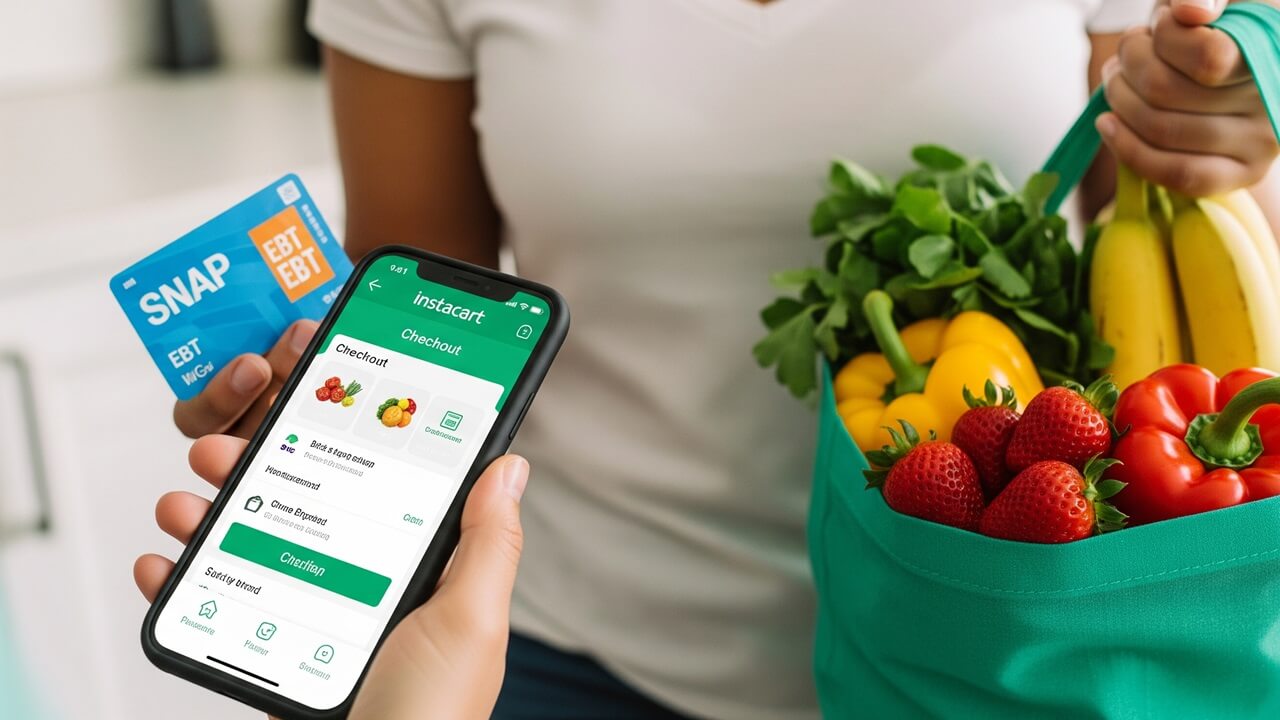
In some areas, you might be able to find an online portal or a mobile app connected to your local DSS. These tools often allow you to view your EBT benefits, transaction history, and sometimes even request official documents. Always be careful when using online portals, and make sure you’re on the legitimate DSS website, not a fake one trying to steal your information.
Remember that the process can vary depending on where you live, so be patient. The DSS staff are there to help you, so don’t hesitate to ask questions if something is unclear.
- Check your state or local DSS website first.
- Call their main phone number.
- Check if they have an online portal or app.
Checking Your EBT Card’s Website or App
Many states have a dedicated website or mobile app for EBT cardholders. These resources offer a convenient way to manage your benefits. The official EBT website or app typically allows you to check your balance, view recent transactions, and sometimes even see a history of your benefits received. This history might not always be in the form of a formal letter, but it can still provide the information you need.
To find your state’s EBT website or app, you can usually search online for “[Your State] EBT card” or something similar. Once you’re on the website or app, you’ll likely need to create an account using your EBT card number, date of birth, and possibly the last four digits of your Social Security number. This ensures your information is secure.
After you’ve logged in, look for sections like “Transaction History,” “Benefit History,” or something similar. You should be able to see a record of when your benefits were loaded onto your card and how much money was added each time. Some websites or apps even allow you to download a statement of your transaction history in PDF format.
Keep in mind that not all states offer the same features on their EBT websites or apps. Some might have more detailed information than others. Still, it’s definitely worth checking to see what’s available in your area.
- Find your state’s EBT website or app.
- Create an account or log in.
- Look for transaction or benefit history.
- Check for downloadable statements.
Reviewing Your Bank Statements (If Applicable)
If you have your EBT benefits directly deposited into a bank account, your bank statements can be another source of information. The deposit will likely show up on your statement along with the amount. This isn’t the same as a letter *specifically* about your EBT benefits, but it offers an official record of funds you received.
Accessing your bank statements is usually straightforward. You can do it online through your bank’s website or mobile app. You can also request paper statements, although there might be a small fee for this. The statement will include a list of all transactions, including deposits and withdrawals. The deposit from your EBT program will usually have a specific description so you can easily identify it.
When reviewing your statements, be sure to check the dates to match the time period you’re interested in. You can often search for specific keywords, like “EBT” or “SNAP,” to help you find the relevant transactions more quickly. It’s a good idea to keep your bank statements organized and secure to protect your financial information.
Keep in mind that using your bank statements only works if you’re set up to receive your benefits directly. If your EBT card is used like a debit card, this option wouldn’t apply.
| Transaction Type | Description | Amount |
|---|---|---|
| Deposit | EBT Benefits | $250.00 |
| Withdrawal | Grocery Store | -$50.00 |
| Withdrawal | Grocery Store | -$75.00 |
Looking at Past Transaction Receipts
Every time you use your EBT card at a store, you usually get a receipt. These receipts show the amount of the purchase and your remaining balance. While the receipts don’t give you a summary of all your benefits, they can provide you with a record of how you used your funds. This can be helpful if you’re trying to reconstruct your spending history.
It’s a good practice to keep your receipts, especially if you’re trying to track your spending. You can store them in a safe place, like a file folder or a dedicated envelope. Over time, the receipts can provide a detailed picture of how you use your EBT benefits and where your money is going.
Receipts will usually show the date, the amount of the purchase, and the name of the store. However, the receipt might not always show the *exact* amount of benefits you received on a specific date. It only reflects the balance available at the time of the purchase. If you need to know exactly when funds were added, you’ll probably need to consult one of the other sources mentioned, like the DSS or your EBT card website.
If you want to keep track of receipts over time, you can also take a picture of them with your phone. These pictures can be saved on your computer or in the cloud. This can help if you are trying to keep track of receipts, and they end up being lost. This is a good backup plan.
- Save receipts from stores.
- File them for later use.
- Review them when needed.
- Look for purchase dates, amounts, and store names.
Considering Third-Party Apps and Services (With Caution)
There are some third-party apps and services that claim to help you manage your EBT benefits. These apps often promise to track your spending, provide notifications, and give you insights into your financial habits. However, it’s very important to be cautious when considering these options.
Before using a third-party app or service, do your research. Make sure the app is legitimate and reputable. Read reviews from other users to see what their experiences have been like. Always check the app’s privacy policy to understand how your data will be used and protected. **It is important to be careful about who you give your personal information to.**
When using these apps, avoid linking your EBT card directly to the app if you’re unsure about its security. Some apps might require you to share sensitive information, like your EBT card number, which could put your account at risk. If you’re not comfortable with the level of access the app requests, it’s best not to use it.
The best way to use these apps might be only to look at information that you provide manually. Always prioritize your personal and financial security.
- Research the app.
- Read reviews.
- Review the privacy policy.
- Be cautious about providing personal info.
When You Cannot Find a Letter
Sometimes, you might have trouble getting the letter you need. Perhaps you’ve moved, the DSS has changed its procedures, or there are technical difficulties. It’s important to remember that you still have options. Even if you can’t get a perfect letter, you can still get the information you need.
If you can’t get an official letter, try to gather information from other sources. Check your EBT card’s website or app for a transaction history. Review your bank statements if your benefits are deposited directly into an account. Take a look at receipts you might have kept.
If you have problems with the DSS, be persistent. Call back, ask to speak to a supervisor, or try visiting their office in person. Sometimes, a face-to-face conversation can be more effective than a phone call. If the issue is complex, you could consider getting help from a legal aid organization or a social worker.
The important thing is to keep trying. It may take some time and effort, but you can find the information you need.
| Problem | Possible Solutions |
|---|---|
| Cannot get a letter | Check website or app, review bank statements, gather receipts. |
| Unresponsive DSS | Call again, ask for a supervisor, visit in person. |
| Technical difficulties | Try again later, call for assistance. |
In conclusion, finding a letter about your EBT benefits involves exploring a few different avenues. You should start by contacting your local Department of Social Services. You can also check your EBT card’s website or app. Bank statements and receipts can offer useful information as well. Remember to be careful with third-party services and be persistent if you face any difficulties. With a little effort, you can find the information you need to keep track of your EBT benefits.